-

Fructose builds up early in diabetic hearts
The heart never gets a break. Every beat requires energy, and heart muscle cells must constantly turn nutrients into fuel to keep blood moving around the body. Diabetes can disrupt this process long before a person notices anything unusual. Changes in how heart cells use and store nutrients may begin…
-

A treatment shrank artery plaques in mice by helping immune cells clear dead cells
The work was done in mice, and no one has tested it in people yet. It points to a different target for heart disease: the cleanup work inside the artery wall, not the cholesterol in the blood.
-

Why eggplant tastes better fried than boiled
Eggplant shows up in kitchens across the world, yet many people leave it on the plate. Its flesh can taste bitter, and it often leaves a dry, puckering feeling in the mouth that eaters call astringency. That matters beyond one dish. Many people, and younger adults in particular, eat fewer…
-

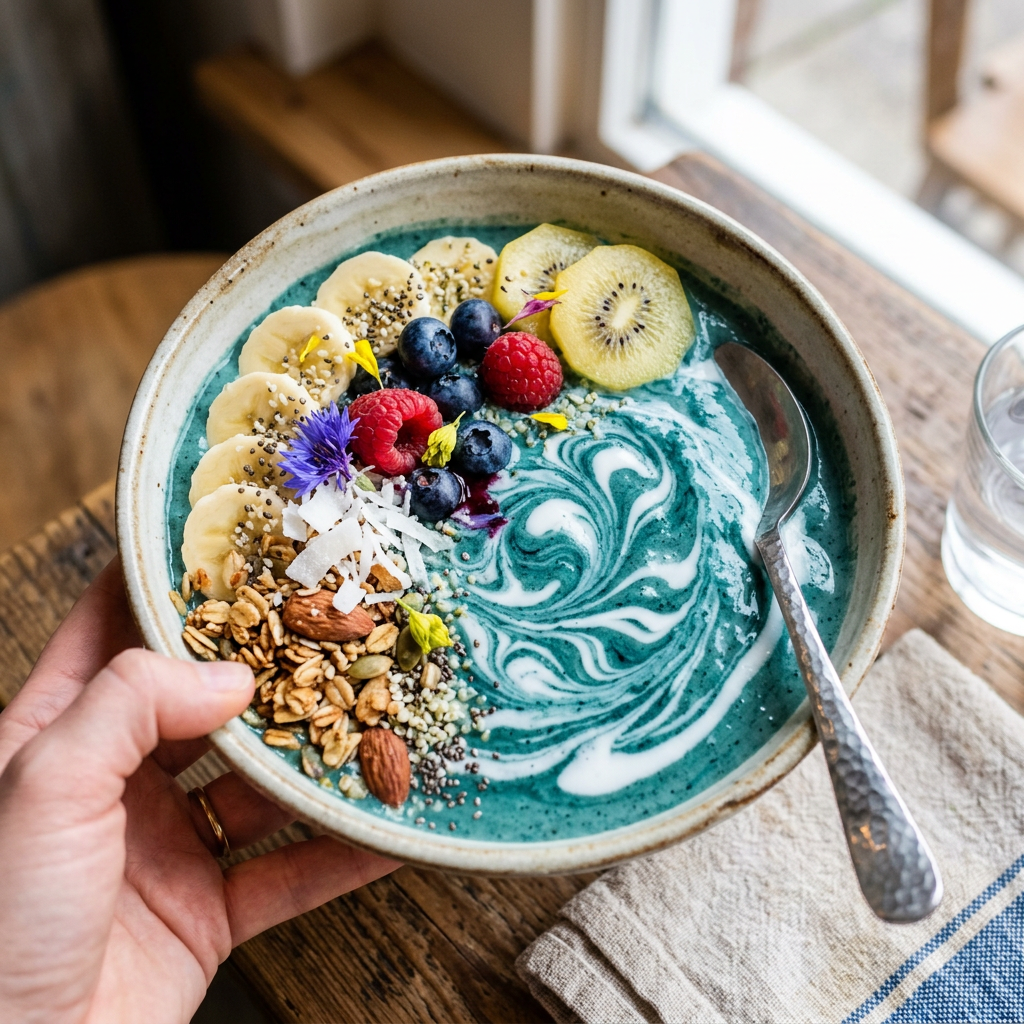
Spirulina could become an important food for the future
A major review highlights spirulina’s nutrition, health potential, sustainability benefits, and the research still needed before broader food use.
-

Graphene factory air showed little short-term harm to lung cells in early workplace investigation
Graphene has attracted enormous attention because it is one of the thinnest materials ever made while also being exceptionally strong, lightweight, and able to carry electricity and heat with remarkable efficiency. As manufacturers find more ways to use it in electronics, batteries, coatings, and advanced materials, growing numbers of workers…
-

A greener testing method could improve tea safety
Tea is one of the world’s most widely enjoyed drinks, but like many foods, it can sometimes pick up unwanted chemicals before it reaches a cup. Some of these chemicals come from plastics used in packaging, storage, or food processing equipment. Detecting these contaminants accurately is an important part of…
-

Why the human skull changed shape
Over roughly 2.5 million years, our ancestors grew bigger brains and slimmer faces. The change can look like a clean march toward the modern human head. A new analysis says that neat story may be misleading. Much of the shift may owe more to chance than to steady natural selection.…
-

Crushing pressure feeds life in the deep sea
Miles below the surface, the ocean turns cold, black, and crushing under the weight of the water above. Almost nothing about that world looks like a place to find a decent meal. For a long time, the deep sea was written off as a starving zone where scarce food barely…
-

A tropical butterfly that ages in slow motion
Most butterflies live fast and die young, fluttering for a few short weeks before they are gone. A handful of tropical species break that rule in a big way. One rainforest butterfly can survive for close to a year and hardly seems to grow frail. Its slow decline hints at…
-

Bumble bees solved a puzzle built for bigger brains
A bumble bee carries a brain smaller than a sesame seed. That speck of tissue just cleared a challenge once reserved for chimps and people. Bees in a Finnish laboratory reached a sugary treat that sat above their heads, out of reach. Nobody had trained them for the trick, and…
-

Graphene oxide kills bacteria but leaves human cells alone
10M+ Toothbrushes sold 1 atom Material thickness 0 Harm to human cells 2024 Olympic debut A new study has cracked one of the strangest puzzles in modern materials science. Graphene oxide can kill bacteria. It can even kill antibiotic-resistant superbugs. But it does not harm human cells. For years, no…
-

Mixing Up Your Workouts May Help You Live Longer
Most people think that the way to live longer through exercise is to do more of it. More minutes on the treadmill. More hours at the gym. More steps on the watch. But a huge new study from Harvard says something different. It says the secret may be variety, not…
-
Gut Bacteria and Pollution May Together Trigger Depression
A new study from Harvard Medical School is changing the way scientists think about depression. The team has found that a common gut bacterium can mix with a pollutant to make a strange new molecule. That molecule then triggers inflammation. Inflammation has long been linked to depression. This may help…
-
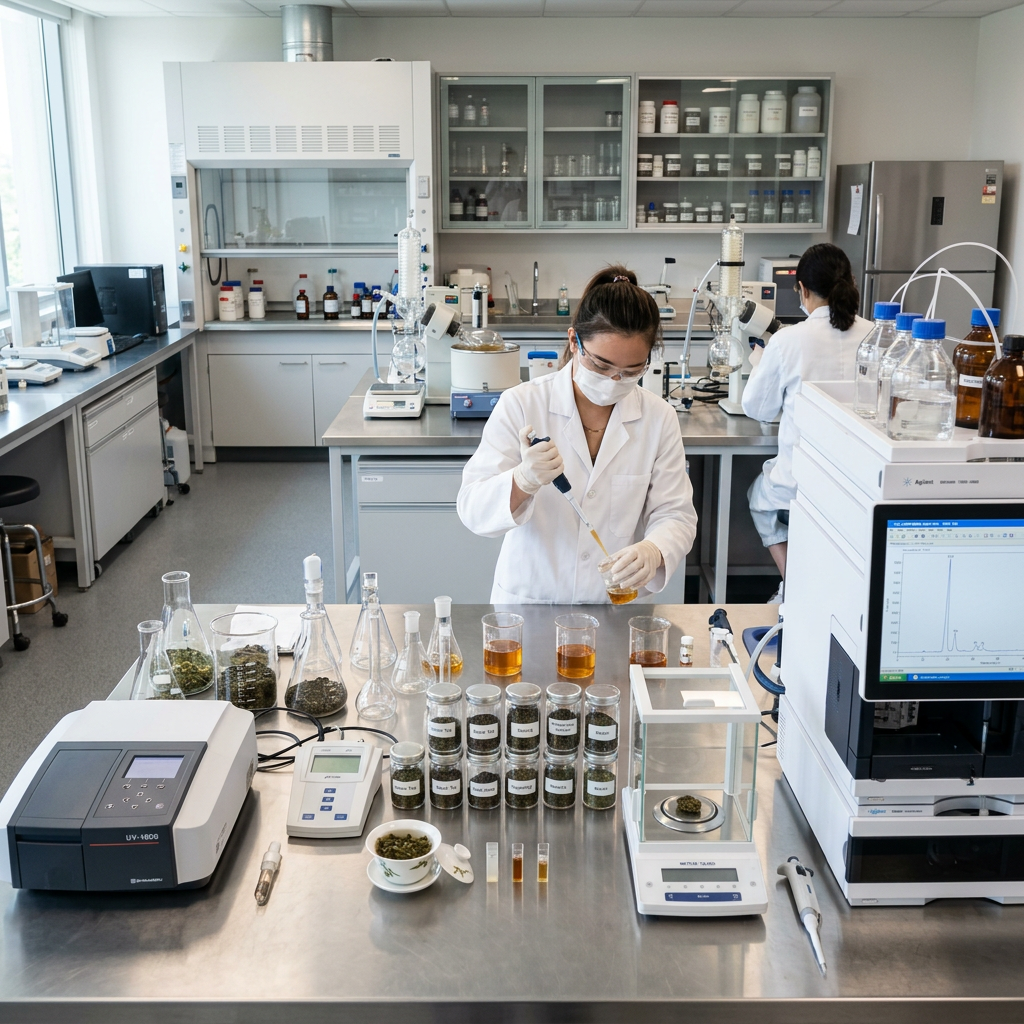
Scientists Find New Hidden Compounds in Cannabis Leaves
Cannabis has been studied for many years. Most of the work has focused on THC and CBD. These are the compounds that get the most attention because of their effects on the body and mind. But a new study shows that the plant has many more secrets than people thought.…
-

Vitamin D May Help Chemotherapy Work Better in Breast Cancer Patients
A new study from Brazil shows that a simple vitamin D pill may help chemotherapy work better in women with breast cancer. The pill is cheap. It is easy to find. Yet in this trial it nearly doubled the number of women whose tumors went away after treatment. This is…
-

Fructose may be a driver of metabolic disease
Fructose is commonly found in everyday foods from sugary drinks to packaged snacks. A new report says that fructose may play a deeper and more concerning role in our health. The report, published in Nature Metabolism shows how fructose may directly contribute to obesity, metabolic syndrome and other chronic diseases.…
-

Bridging the Gap: New Study Sheds Light on Communication Barriers in Epilepsy Care
SK Life Science’s upcoming AAN presentations reveal gaps in communication between people with epilepsy and their doctors. This article explains why honest conversations matter, what the “Hope, Hesitancy, and Hard Truths” survey explores, and how cenobamate studies aim to improve treatment outcomes.
-
New Campaign Puts Women’s Hormonal Health in the Spotlight
Thorne’s new campaign featuring Misty Copeland and Lana Condor demystifies perimenopause and libido with education and science-backed supplements, empowering women to understand hormonal health.
-

Natural vs Artificial Flavors: Is There Really a Difference?
Introduction Walk down any supermarket aisle and you will see it on almost every label: “natural flavor” or “artificial flavor.” Most people assume these two phrases describe something fundamentally different — that natural means wholesome and close to food, while artificial means synthetic and potentially harmful. The chemistry tells a…
-

Hidden Toxins in Your Kitchen: What the Science Actually Says
Introduction Most people think of their kitchen as the safest room in the house — the place where nourishing food is prepared, where family gathers, where health is built meal by meal. The science of the past two years paints a more complicated picture. From the pan you scramble your…
-

How Processed Foods Affect Your Gut Health and Overall Wellbeing
Introduction The human gut contains trillions of microorganisms — bacteria, fungi, viruses, and archaea — collectively known as the gut microbiome. This ecosystem is not a passive passenger in the body. It regulates digestion, trains the immune system, produces essential vitamins, and communicates directly with the brain. The food you…
-

Is Himalayan Pink Salt Actually Different from Regular Salt?
Introduction Walk into any modern kitchen and you will likely find a jar of pink Himalayan salt sitting on the counter. It looks beautiful. It sounds exotic. And it costs significantly more than the white salt beside it. Social media is filled with claims that it contains 84 essential minerals,…
-

10 Foods That Naturally Boost Your Immune System According to Science
Introduction The immune system protects the body from infections and diseases. It works every day to fight harmful bacteria and viruses. A strong immune system helps the body stay healthy and recover faster when illness occurs. Many factors influence immune health. Sleep, exercise, and stress management all play important roles.…
-

Are all “organic” products truly organic?
You pay a steep premium for that bright green sticker. You trust it. You feed it to your children. But beneath the reassuring seal, a sprawling web of fraud, mislabeling, and supply-chain gaps makes “organic” one of the most contested words in the grocery store. The Numbers at a Glance…
-

The Science Behind Superfoods and How They Improve Your Health
Introduction The word “superfood” has become very popular in recent years. It is often used to describe foods that contain high levels of nutrients. These foods are believed to provide powerful health benefits when included in a balanced diet. Superfoods are usually rich in vitamins, minerals, antioxidants, and plant compounds.…
-

The Hidden Chemicals in Everyday Foods and Their Impact on Human Health
Most people think of food as something that nourishes. But the food system today involves a remarkably complex chemical landscape — one that goes far beyond the ingredients listed on the packet. Your breakfast cereal, your canned soup, your lunchbox snack, the packaging around your sandwich — all of these…
-

Is organic food chemically different?
Organic food is not chemical free and conventional food is not harmful when safe limits are followed. What matters most is your overall diet, not just the label on your food.
-

Ultra Processed Foods and Their Long Term Negative Effects on the Body
Introduction Modern lifestyles have made convenience a priority. Many people choose foods that are quick to prepare and easy to store. Ultra processed foods have become very common in supermarkets and homes. These foods include packaged snacks, sugary drinks, instant meals, and many ready to eat products. Ultra processed foods…
-

How Food Additives and Preservatives Influence Human Health
Introduction Food today travels long distances before reaching the consumer. To keep food fresh and attractive during storage and transportation, manufacturers often add substances known as food additives and preservatives. These ingredients help maintain taste, texture, color, and shelf life. Many packaged foods contain these additives. Snacks, soft drinks, canned…
-

The Role of Gut Bacteria in Digestion and Overall Health
Introduction Inside the human digestive system lives a vast community of microorganisms. These microorganisms are known as gut bacteria. Scientists often refer to this ecosystem as the gut microbiome. It contains trillions of tiny organisms that live mainly in the intestines. For many years people believed bacteria were harmful. Most…
-

How Vitamins and Minerals Support Energy Production in the Body
Introduction Energy is essential for every function in the human body. From breathing and digestion to movement and thinking, every activity requires energy. The body produces energy by converting food into fuel that cells can use. Many people believe that calories alone provide energy. However the process is more complex.…
-

How Sugar Affects the Brain and Body Over Time
Introduction Sugar is one of the most common ingredients in modern diets. It is found in desserts, soft drinks, snacks, and many packaged foods. People enjoy sugar because it adds sweetness and makes food more appealing. However, consuming too much sugar can affect the body in several ways. The human…
-

The Link Between Diet, Inflammation, and Chronic Diseases
Introduction Food does much more than simply satisfy hunger. The nutrients we consume every day influence many biological processes inside the body. One of the most important of these processes is inflammation. Inflammation is the body’s natural response to injury or infection. It helps the immune system protect the body…